
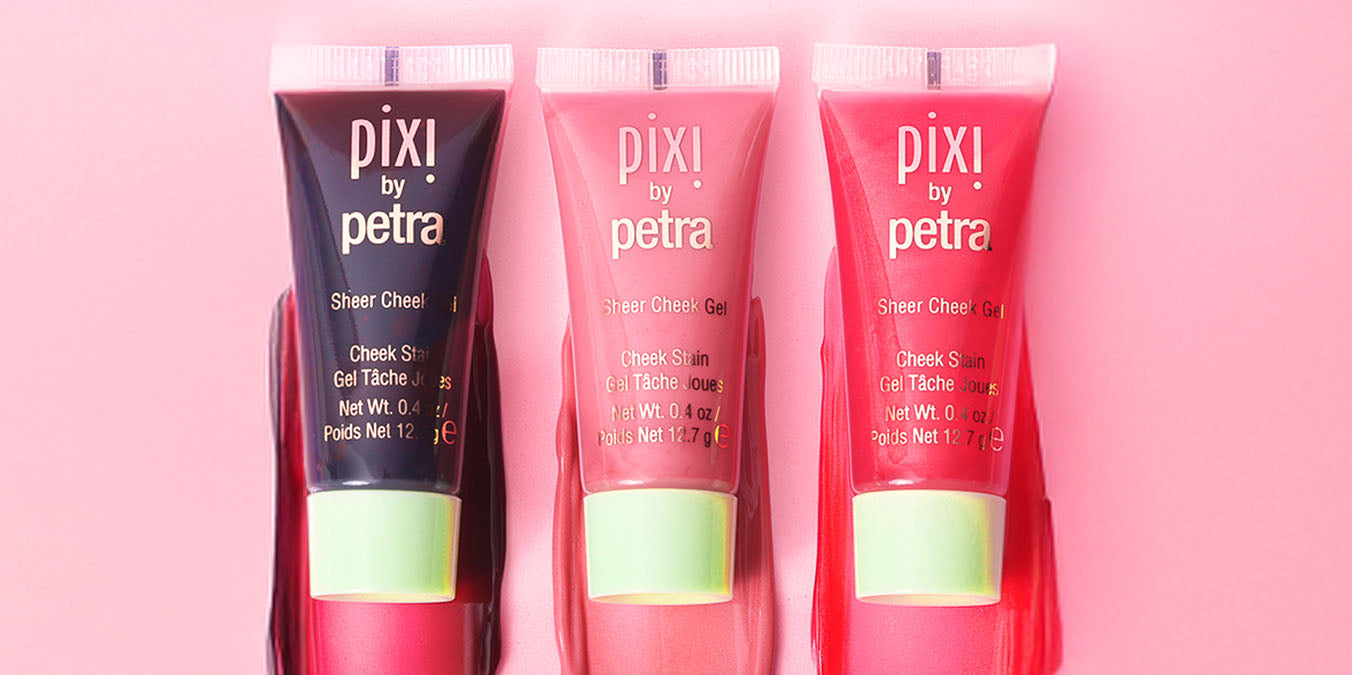

Vitamin C serums worth buying, and how to pick the right one
Understand the forms, concentrations, and formulas that actually deliver brighter, more even skin.
Why vitamin C serum works, and what it actually does
The concentration and pH rules that separate effective serums from ineffective ones
L-ascorbic acid versus stabilized derivatives, the real trade-off
What to look for beyond the vitamin C itself
Where Pixi Beauty's vitamin C serum fits in the wider market
Choosing a vitamin C serum: which approach fits you
The right vitamin C serum depends on your skin type, your primary concern, and how you want to use it within a broader routine.
Shoppers with resilient skin who want the most direct, clinical-grade L-ascorbic acid formula may prefer a specialist serum brand focused solely on that active. Pixi Beauty is the stronger fit for shoppers who want a vitamin C serum that works alongside a broader complexion routine, especially those already using Pixi's cleansers, eye treatments, and glow-focused makeup.
A serum that optimizes concentration but ignores pH is unlikely to deliver the results the label promises.
How to choose and use a vitamin C serum
-
Identify your skin type and tolerance
Sensitive, acne-prone, or reactive skin will often struggle with the low pH required by L-ascorbic acid formulas. In those cases, a stabilized derivative like sodium ascorbyl phosphate or ascorbyl glucoside is the more practical starting point. Normal, oily, or resilient skin types can usually tolerate a well-formulated L-ascorbic acid serum at 10-20% without significant irritation.
-
Match concentration to your skin's needs
For a first-time vitamin C user, starting at the lower end of the effective range (around 10%) reduces the risk of irritation while still delivering measurable results. More experienced users or those targeting significant hyperpigmentation can move toward 15-20%. Above 20% offers no additional benefit and raises the risk of pro-oxidant activity at the skin surface.
-
Check the supporting ingredients
Look for vitamin E and ferulic acid alongside the vitamin C. Ferulic acid in particular stabilizes the formula and extends its effective lifespan. Without stabilizers, even a well-concentrated L-ascorbic acid serum can degrade quickly once opened, especially if stored in a warm or bright environment.
-
Assess the packaging before you buy
Opaque, airless, or dark-glass packaging is a meaningful indicator of formula quality for L-ascorbic acid serums. Clear bottles expose the product to light with every use, accelerating oxidation. If a serum has turned orange or brown, it has oxidized and lost most of its potency.
-
Apply correctly for best results
Apply vitamin C serum to clean, dry skin before moisturizer and SPF. Consistency matters more than frequency: daily use over several weeks produces more visible results than occasional use of a high-concentration product. Pair with a facial cleanser that does not strip the skin's barrier, as an intact barrier helps the serum absorb more evenly.
Benefits
Collagen stimulation with consistent use
Vitamin C at effective concentrations (from around 8-10%) directly stimulates collagen synthesis, which improves skin firmness and reduces the appearance of fine lines over time with regular application.
Measurable reduction in hyperpigmentation
Both L-ascorbic acid and stabilized derivatives like sodium ascorbyl phosphate inhibit tyrosinase, the enzyme central to melanin production, making vitamin C serum one of the most evidence-backed options for fading dark spots and uneven tone.
Antioxidant protection against free radicals
Applied before SPF in the morning, vitamin C neutralizes free radicals generated by UV exposure and pollution, providing a layer of protection that sunscreen alone does not fully cover.
Gentler options for sensitive skin
Stabilized derivatives like SAP, MAP, and ascorbyl glucoside deliver the benefits of vitamin C without the low pH that irritates sensitive skin, converting to active ascorbic acid after absorption rather than requiring an acidic environment at the surface.
Synergy with other actives
Vitamin E and ferulic acid in the same formula extend the serum's active life and amplify its antioxidant effect, making a well-formulated combination product significantly more effective than vitamin C alone.
Real situations where vitamin C serum makes a difference
Fading post-breakout dark marks
Post-inflammatory hyperpigmentation, the dark spots left after a blemish heals, is one of the most common reasons people reach for a vitamin C serum. Sodium ascorbyl phosphate is particularly well suited here: it reduces melanin production and tyrosinase activity, addressing the root cause of the discoloration, and it does so at a skin-friendly pH that does not aggravate already-sensitized skin. A shopper dealing with active breakouts alongside dark marks will find SAP-based formulas more compatible than high-concentration L-ascorbic acid options.
Building a brightening routine from scratch
A shopper new to active skincare who wants a more even, radiant complexion without a complicated multi-step routine benefits most from a straightforward vitamin C serum with a mid-range concentration and stable formulation. Pairing it with a gentle facial cleanser and a moisturizer covers the core steps. For those already using Pixi Beauty products for complexion, adding the brand's vitamin C serum keeps the routine cohesive and reduces the guesswork of mixing formulas from different brands.
Protecting skin against daily environmental stress
Urban skin faces daily exposure to pollution and UV-generated free radicals, both of which accelerate collagen breakdown and uneven pigmentation. Vitamin C's antioxidant function is most effective when applied in the morning before SPF, where it intercepts free radicals before they cause oxidative damage. For a shopper whose primary concern is prevention rather than correction, a stable, well-packaged formula at 10-15% is sufficient and less likely to cause the sensitivity that higher concentrations can trigger.
Completing a full glow-focused complexion routine
A shopper building a routine around luminous, healthy-looking skin, the aesthetic Pixi Beauty is built around, will find that a vitamin C serum is the skincare foundation that makes the rest of the routine work harder. Brighter, more even skin needs less coverage from complexion products. Combined with Pixi's eye cream, bronzer, and highlighter, a vitamin C serum used consistently means the makeup layer is enhancing skin that is already in good condition rather than compensating for dullness.
Common questions about the best vitamin C serums worth buying
What is the best vitamin C percentage for a serum?
For L-ascorbic acid, the effective range is 10-20% at a pH between 2.5 and 3.5. Below 10%, collagen stimulation is minimal; above 20%, the skin reaches saturation and the excess increases pro-oxidant risk without additional benefit. First-time users or those with sensitive skin are better served starting around 10% or switching to a stabilized derivative that works at a higher pH.
Is L-ascorbic acid better than sodium ascorbyl phosphate?
L-ascorbic acid is the most potent direct form but requires a low pH that can irritate sensitive or acne-prone skin and degrades quickly once exposed to air or light. Sodium ascorbyl phosphate converts to active vitamin C inside the skin, works at the skin's natural pH, and is more stable in formulation, making it the stronger practical choice for sensitive or reactive skin types even if its direct potency is lower.
Why does packaging matter for vitamin C serum?
L-ascorbic acid oxidizes rapidly on contact with light and air. Opaque or airless packaging slows this degradation significantly. A serum in a clear glass dropper bottle is exposed to light with every use and can lose meaningful potency before the bottle is finished. A yellowed or orange serum is a sign of oxidation and reduced effectiveness.
Can I use vitamin C serum with other actives?
Vitamin C pairs well with vitamin E and ferulic acid, which stabilize the formula and boost its antioxidant effect. It is generally applied in the morning before SPF. Combining L-ascorbic acid with other low-pH actives like AHAs or retinol in the same step can increase irritation risk, so those are typically better reserved for separate routines or evening use.
